
The History of Acupuncture & Traditional Chinese Medicine (TCM)

Acupuncture is one of the world’s oldest healing practices, with roots that stretch back thousands of years — even before recorded history. It is an essential part of Traditional Chinese Medicine (TCM), a complete and comprehensive medical system grounded in the observation of nature, the body, and the universe.
Origins in Taoist Philosophy
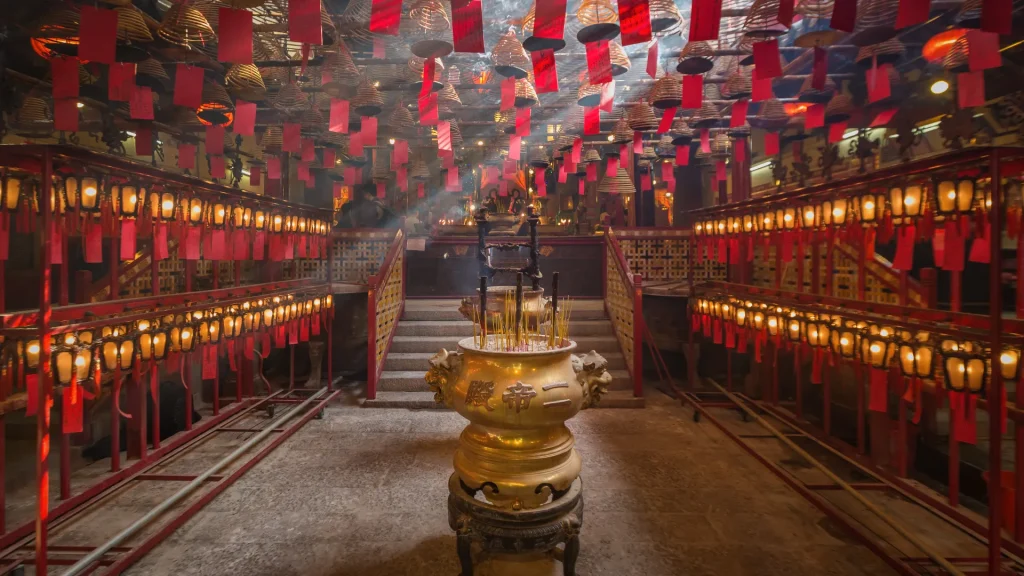
The philosophy of TCM is deeply rooted in ancient Taoist traditions dating back over 8,000 years. Early Taoist sages dedicated themselves to understanding the natural world, the rhythms of the body, and the connection between humans and the universe. One of the most legendary figures of this era was Fu Hsi, who lived in the Yellow River region. By observing nature, he created the first symbolic representations of universal forces — the unbroken line (yang) and the broken line (yin). These foundational concepts formed the yin-yang theory, which remains central to Chinese medicine today.
Fu Hsi’s insights later led to the creation of the I Ching (The Book of Changes), a profound philosophical text based on the interplay of yin and yang. Its ideas formed the philosophical foundation for many classical Chinese medical texts.
From Stone Tools to Bronze Needles
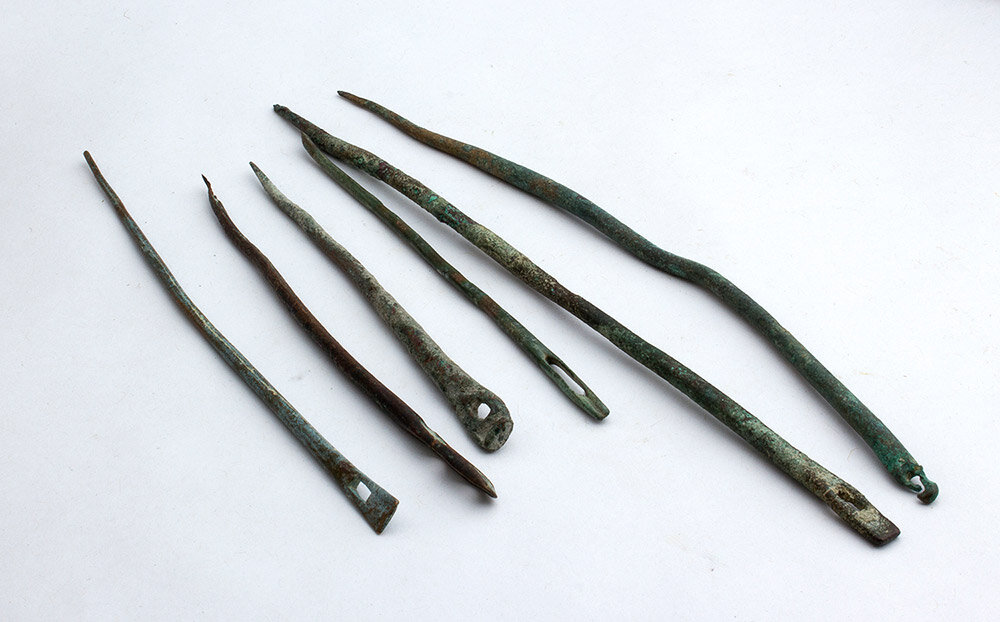
During China’s Old Stone Age (over 10,000 years ago), sharp stones were used for basic medical procedures. In the New Stone Age, these tools were refined into “bian stones,” sharp-edged stones used to treat illness. Archaeological discoveries confirm the use of these stones for healing purposes long before metal tools existed.
By the Shang Dynasty (c. 1000 BC), bronze acupuncture needles were being used, although bian stones remained common. Hieroglyphs from this time show clear references to acupuncture and moxibustion — the burning of herbs to stimulate acupuncture points.
The Yellow Emperor’s Classic – The Foundation of TCM
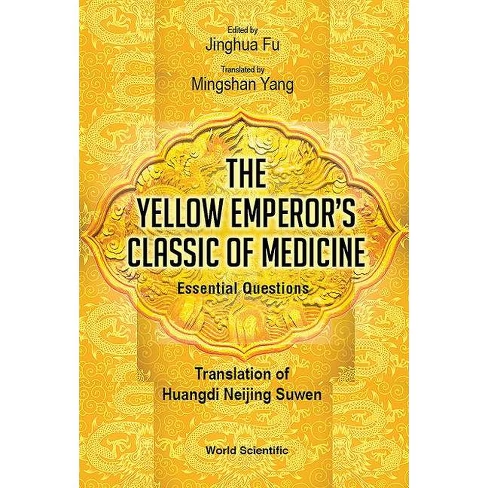
The most significant milestone in acupuncture’s early development came during the reign of Huang Di (The Yellow Emperor) around 2,700 BC. In a legendary dialogue with his physician Qi Bo, Huang Di explored every aspect of health and medicine. Their conversations were compiled into the Huang Di Nei Jing (The Yellow Emperor’s Classic of Internal Medicine) — the earliest and most influential text in Chinese medicine.
This classical work consists of two parts:
- Su Wen (Plain Questions): Covers anatomy, physiology, causes of disease, diagnostic methods, yin-yang theory, the five elements, and treatment strategies.
- Ling Shu (Spiritual Pivot): Focuses on acupuncture, detailing meridians, needle techniques, acupuncture points, and their therapeutic uses.
Major Historical Developments
- Warring States Period (421–221 BC): Metal needles began to replace bian stones. The Nan Jing (Classic of Difficult Issues) was compiled, introducing deeper concepts like the eight extraordinary meridians and five element theory.
- Han to Jin Dynasties (206 BC–581 AD): Acupuncture gained popularity. The physician Huang Fu Mi compiled the Systematic Classic of Acupuncture and Moxibustion, a 12-volume text describing 349 acupuncture points and their clinical applications.
- Sui and Tang Dynasties (581–907 AD): Acupuncture became an official medical specialty. Schools were established, and influential physicians like Zhen Quan and Sun Simiao revised key texts and expanded the clinical use of acupuncture.
- Song Dynasty (960–1279 AD): Physician Wang Weiyi created life-sized bronze acupuncture models for medical education. His book described 657 acupuncture points and standardized many techniques still used today.
- Ming Dynasty (1368–1644 AD): Considered a golden era for acupuncture. Important developments included:
- Expanded use of moxa sticks
- Discovery of new acupuncture points
- Refinement of needling techniques
- Publication of the Zhen Jiu Da Cheng (Great Compendium of Acupuncture and Moxibustion) by Yang Jizhou, which reinforced classical teachings and served as a foundation for acupuncture’s introduction to the West.
Suppression and Revival in Modern History
- Qing Dynasty to Early 20th Century: During the Qing era (1644–1911), acupuncture saw a decline in favor of herbal medicine. With the rise of Western medicine in China after the 1911 Revolution, TCM practices, including acupuncture, were further marginalized.
- People’s Republic of China (Post-1949): Despite earlier suppression, acupuncture endured among rural communities. During the Long March (1934–35), it proved effective in treating the Red Army under difficult conditions. Chairman Mao Zedong recognized its value and officially integrated Traditional Chinese Medicine with Western medicine in 1950.
- Modern Developments (1950s–Present): Acupuncture research expanded rapidly — including studies on disease treatment, meridian theory, acupuncture anesthesia, and clinical applications. Acupuncture was formally reintroduced into hospitals and universities across China, and began to spread globally.
Acupuncture Today
- Today, acupuncture is practiced around the world and is recognized by the World Health Organization (WHO) for its effectiveness in treating a wide range of conditions. Though techniques and tools have evolved, acupuncture continues to honor its ancient roots — maintaining the same holistic philosophy that has guided its practice for millennia.
- It is more than just a treatment — it is a tradition that has stood the test of time, helping people restore balance, health, and harmony.