Traditional Chinese Medicine (TCM)

Core Philosophy of TCM
At the heart of Traditional Chinese Medicine is the belief that the human body is an interconnected system. Health depends on the balance of internal energies — particularly Qi (vital energy), Yin and Yang, and the smooth function of the Zang-Fu organs. When this internal harmony is disrupted, illness arises. The goal of TCM is to restore balance and support the body’s natural ability to heal itself.
TCM can treat both acute and chronic health conditions and is suitable for people of all ages — from infants and pregnant women to the elderly.
Forms of Treatment in TCM
Acupuncture
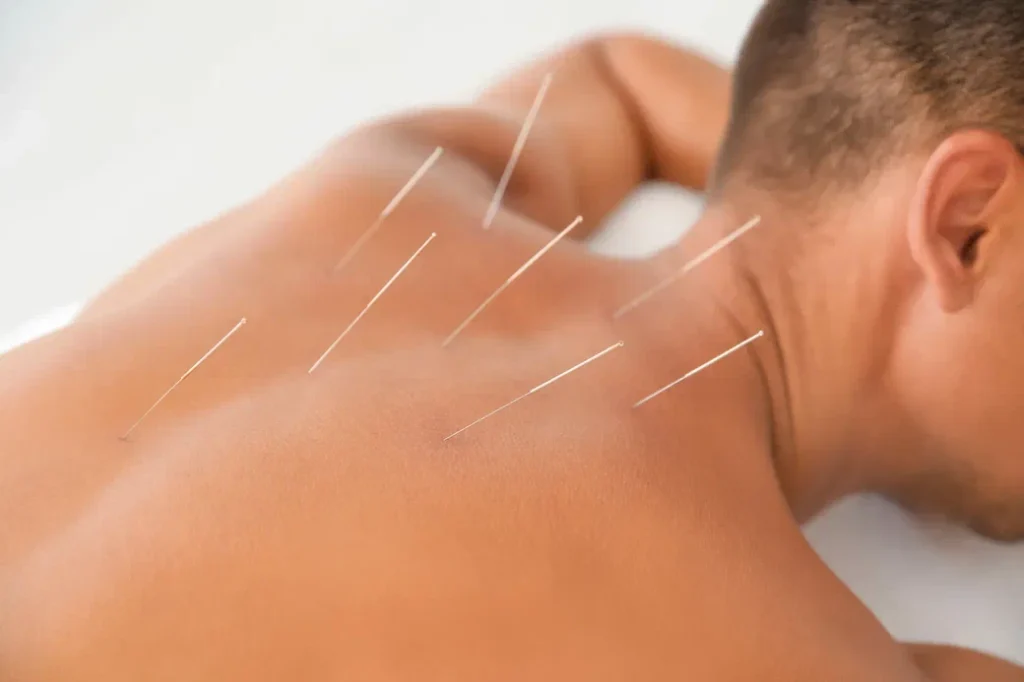
Acupuncture is the practice of inserting fine, sterile needles into specific points on the body to stimulate the flow of Qi through meridians — the energy channels connecting organs and systems. When Qi flows freely and in balance, the body is healthy. When it is blocked, weak, or excessive, symptoms and disease may occur.
Acupuncture treats not just the symptoms but also the root cause of imbalances. It’s a holistic therapy that supports the body, mind, and spirit.

Acupuncture Techniques
- Moxibustion: A warming therapy that involves burning the herb mugwort near or on acupuncture points to increase circulation and stimulate healing. Often used in combination with acupuncture.
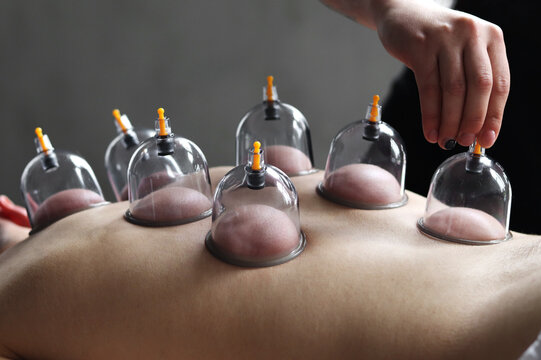
- Cupping Therapy: Uses heated or suction-based cups placed on the body to stimulate blood and Qi flow. Effective for relieving muscle tension, pain, respiratory issues, and detoxification.
- Electro-Acupuncture: Combines acupuncture with gentle electrical stimulation to intensify therapeutic effects, relieve pain, reduce inflammation, and enhance circulation.
- Far Infrared Mineral (FIM) Heat Therapy: A heat lamp treatment using a mineral-rich ceramic plate that emits healing infrared rays. Used alongside acupuncture to treat musculoskeletal pain, joint stiffness, and fatigue.
- Auricular (Ear) Acupuncture: Focuses on acupuncture points on the ear that correspond to the entire body. Often used for pain, addictions, emotional conditions, and overall regulation. May include ear seeds or small tacks for prolonged stimulation.
Cupping Therapy
Cupping therapy is a traditional Chinese medicine technique that involves placing suction cups on specific points of the body to stimulate the flow of Qi (vital energy), blood, and lymph. It helps release stagnation, reduce pain, and enhance circulation—supporting the body’s natural healing processes.
It is often used for muscle tension, fatigue, and respiratory issues. By promoting better flow and clearing blockages, cupping aids recovery, boosts the immune system, encourages deep relaxation, and supports overall well-being. As a time-tested practice, it offers a natural and effective way to restore balance and vitality.
Tuina (Chinese Medical Massage)
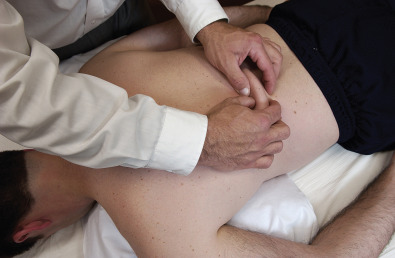
Tuina is a therapeutic massage based on TCM principles that applies pressure, stretching, and manipulation techniques along meridians and acupuncture points. It treats musculoskeletal problems, internal imbalances, and stress-related conditions in the digestive, respiratory, reproductive, and nervous systems.
Acupressure
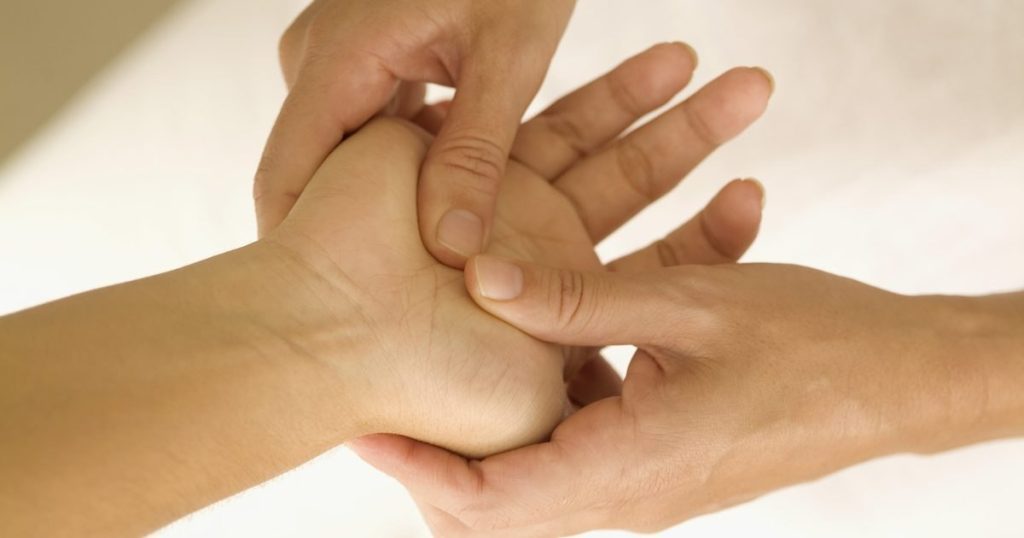
Similar to acupuncture but without needles, acupressure involves applying finger pressure to specific points on the body to promote relaxation, ease pain, reduce nausea (such as morning sickness), and support healing. Often used alongside acupuncture or Tuina for conditions like headaches, muscle tension, and chronic pain.
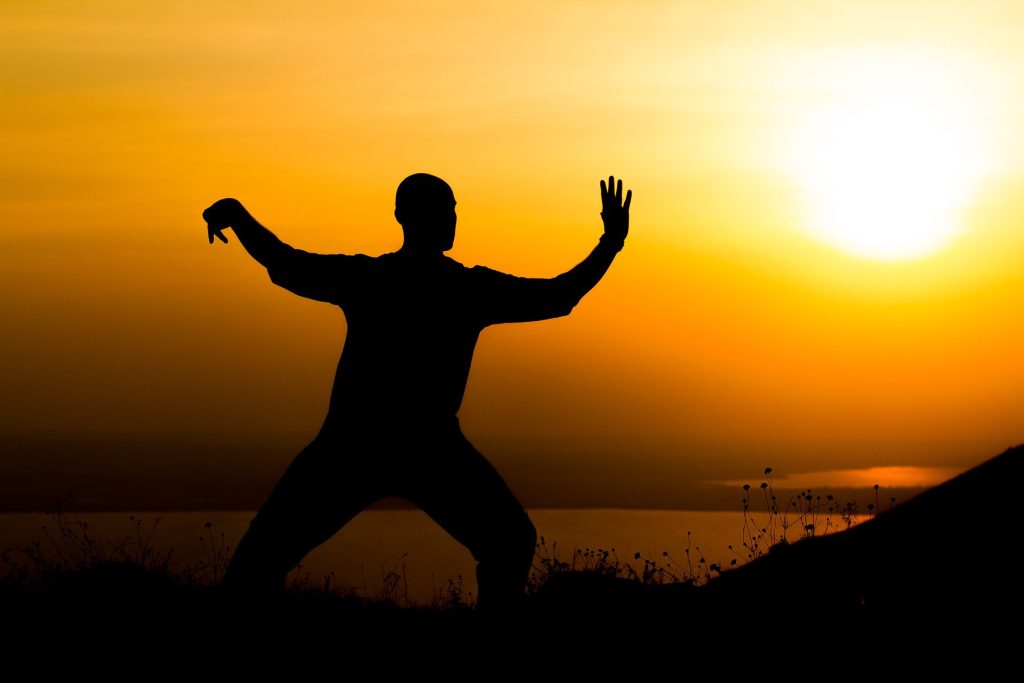
Qi Gong
Qi Gong is a gentle form of exercise that combines breathwork, movement, and meditation. It helps cultivate and balance Qi in the body, promoting emotional calm, physical vitality, and mental clarity. Regular practice supports detoxification, stress reduction, and illness prevention.
Chinese Herbal Medicine
Chinese herbal therapy is a foundational part of TCM and has been practiced for thousands of years. It uses natural plant-based formulas tailored to each individual’s unique constitution and condition.
Herbal remedies can address a wide variety of issues, including:
- Emotional stress and anxiety
- Digestive problems and insomnia
- Menstrual and gynecological concerns
- Skin disorders and allergies
At our clinic, we may prescribe Chinese patent herbal formulas — pre-mixed combinations based on classical recipes — available in pills, capsules, or liquid extracts. These formulas are convenient, cost-effective, and easy to take.

Nutrition and Lifestyle Guidance
TCM extends beyond treatments to guide how we live. It emphasizes balance in diet, sleep, emotions, and movement to support overall wellbeing. Personalized recommendations help patients live in harmony with their body’s natural rhythms, the seasons, and their unique constitution — fostering health from the inside out.