The Hijama Journal – Traditional Wisdom, Modern Wellbeing.
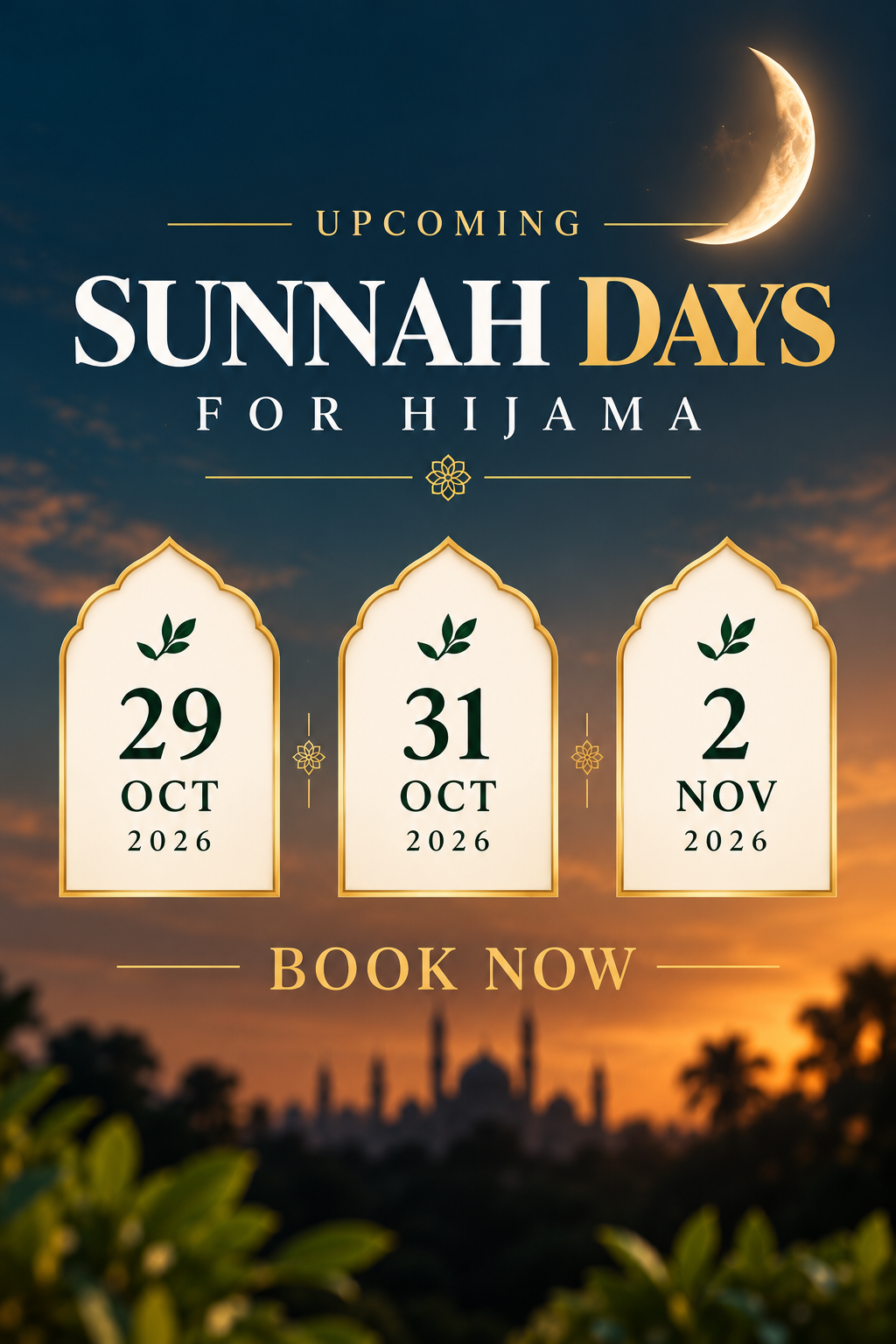
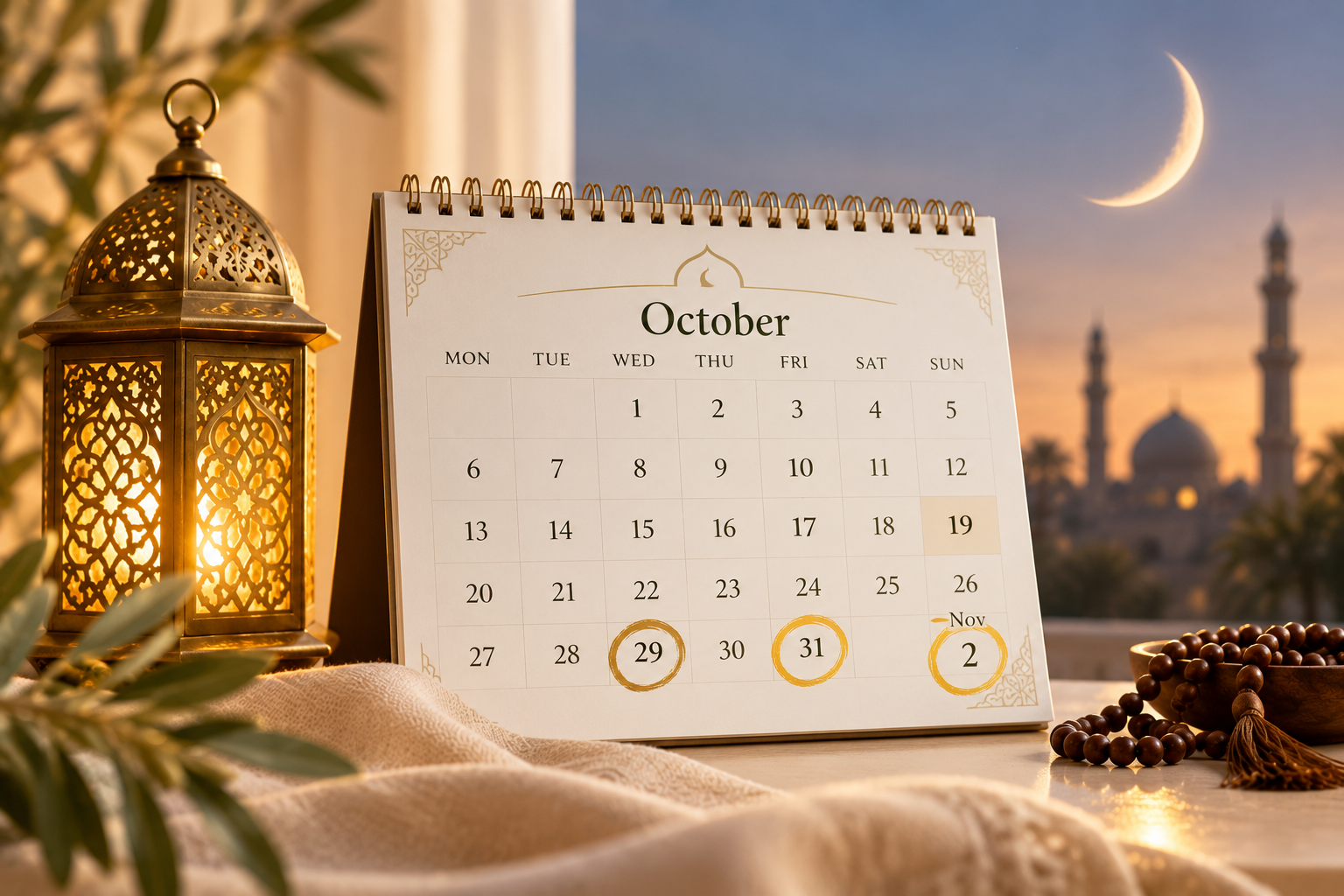
The Sunnah Days of Hijama: Why the 17th, 19th and 21st?
In Islamic tradition, the 17th, 19th and 21st days of the lunar month are commonly recognised as recommended days for Hijama. A narration attributed to the Prophet Muhammad ﷺ states: “Whoever has cupping done on the seventeenth, nineteenth or twenty-first, it will be a cure for every disease.” This narration is recorded in Sunan Abi Dawud (3861), although scholars have differed regarding its authenticity. These dates have nevertheless become meaningful to many Muslims who wish to incorporate Prophetic traditions into their wellbeing routines.
The Islamic calendar follows the lunar cycle, which means these dates change each month according to the Gregorian calendar. While traditional explanations sometimes connect lunar phases with bodily fluids and circulation, there is currently no reliable scientific evidence demonstrating that Hijama is more effective on these particular dates. For those who follow the Sunnah days, their significance is primarily religious and traditional. Importantly, Hijama does not need to be restricted to these days when treatment is otherwise appropriate.
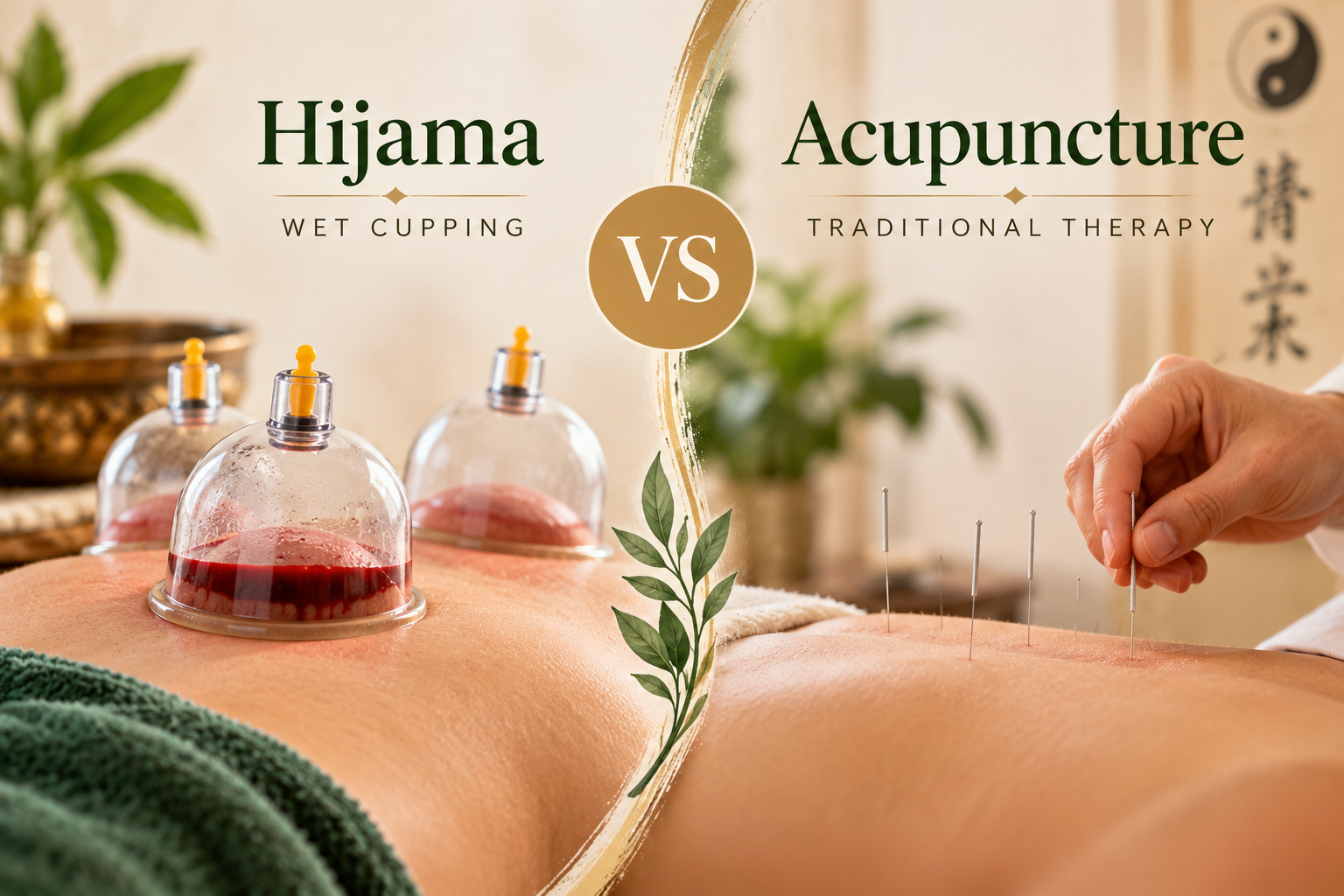
Hijama vs Acupuncture: What's the Difference?
Hijama and acupuncture are two traditional therapies that have been practised for centuries, but they use different techniques. Hijama involves suction cups applied to the skin, with wet cupping incorporating small superficial incisions. Acupuncture, rooted in Traditional Chinese Medicine, involves inserting very fine, sterile needles into selected points on the body. Both therapies are commonly sought for muscular discomfort and pain management, although the research supporting their effectiveness varies depending on the condition being treated.
One important difference is the treatment experience. Cupping creates a pulling sensation, while acupuncture may produce mild tingling, heaviness or a dull ache around the needle site. In some cases, practitioners may use both therapies as part of an individualised treatment plan.
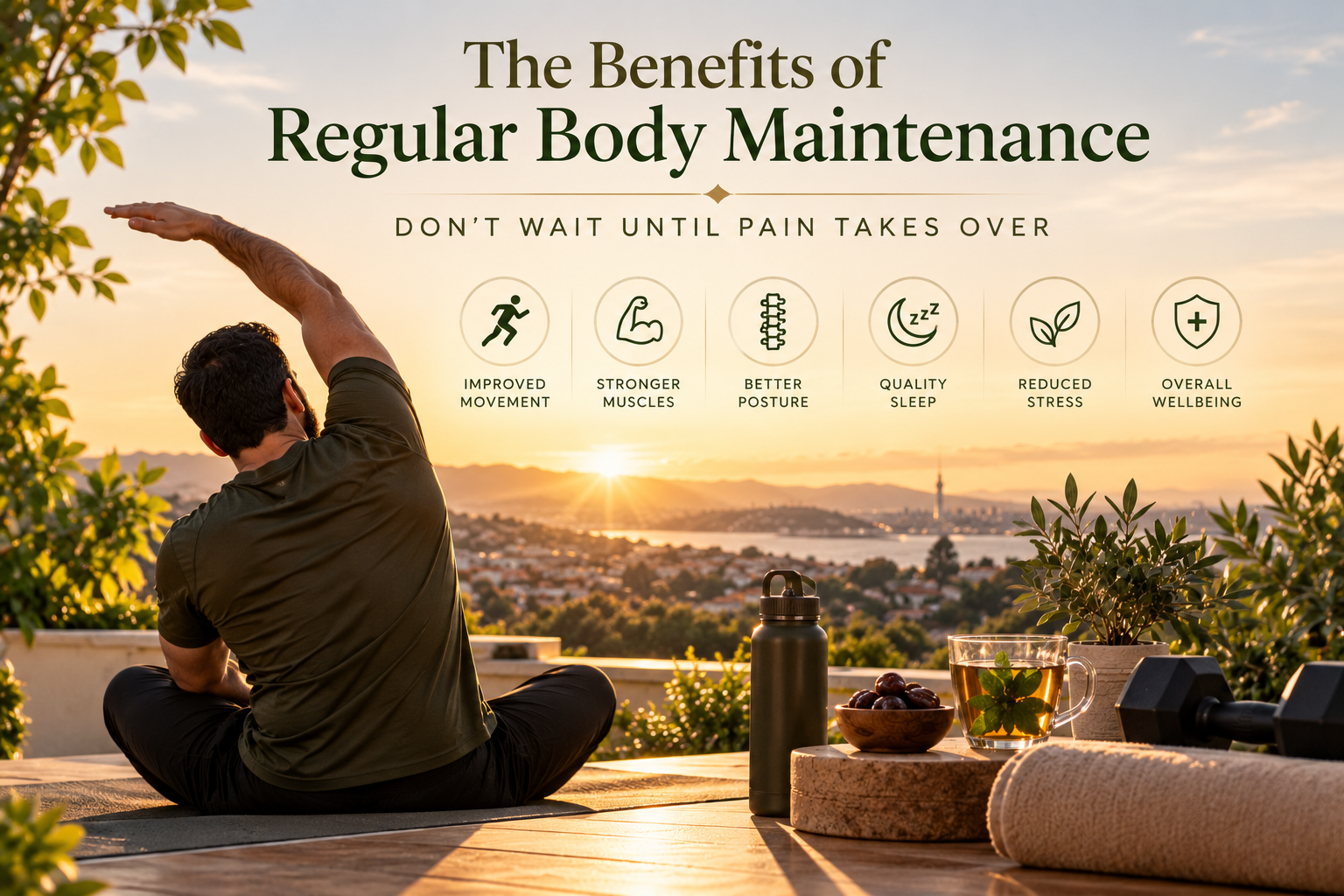
The Benefits of Regular Body Maintenance: Don't Wait Until Pain Takes Over
Many people only begin prioritising their physical wellbeing when discomfort starts interfering with everyday activities. However, looking after the body is not simply about responding to pain. Regular movement, adequate sleep, strength and flexibility exercises, stress management and appropriate recovery all play important roles in maintaining physical function. Small, consistent habits can make a meaningful difference to how comfortably we move and manage the demands of daily life.
For individuals who enjoy complementary therapies, treatments such as dry cupping, massage or Hijama may be included in a personal self-care routine when clinically appropriate.